


Fixed Ops Retention: Finding the Service Customers Your Dealership Is Losing

The G4 Editorial Team • August 21, 2026

Share this article

Todays topic in the Press Box reviews how service customers most worth winning back are not a single “inactive” list. They are distinct groups with different reasons for leaving and different next-best actions.

G4 Media’s Short Answer to Increasing Service Customers for a Dealership

A dealership finds lost service customers by building a VIN-centered retention view that combines repair-order history, last visit, ownership status, mileage or lifecycle clues, declined work, recall eligibility, communication permission, and response outcomes. Then it separates customers into actionable groups: overdue, lapsed, lost after a poor experience, sold or traded, moved, inactive because ownership changed, or still engaged elsewhere in the dealership. The outreach should match the reason for the lapse. A generic “we miss you” blast treats every absence as the same problem. A retention program connects accurate data, a relevant service reason, appointment capacity, and closed-loop measurement so the dealership learns who returned—and why.

Why Fixed Ops Retention Is an Operating Problem Before It Is a Promotion Problem

Retention is often discussed as an email or coupon calendar. The real work happens earlier. A store must know which person owns which vehicle, whether that person still owns it, when the vehicle was last serviced, what work was completed or declined, which communications are permitted, and whether the service lane can deliver the promised experience.


J.D. Power’s 2026 U.S. Customer Service Index Study found that dealer-service satisfaction improved, but completing the full set of service-process KPIs still mattered; customers who experienced seven or eight KPIs scored materially below those who experienced all ten. The study measured 51,228 verified owners and lessees of one- to three-year-old vehicles. The practical lesson is not to chase a score. It is that marketing can prompt a return visit, but the service experience determines whether retention continues.

Build a Retention File the Service Lane Can Trust

  1. Choose durable identity keys. Use customer and household identifiers plus VIN; document how phone, email, address, and vehicle records are matched.
  2. Confirm present ownership. Treat ownership as a changing status. Update sold, traded, totaled, moved, and unknown records rather than assuming the last VIN is still current.
  3. Normalize service events. Map repair orders, op codes, declined work, recalls, warranty, and customer-pay activity into consistent categories.
  4. Record communication rights. Retain channel permissions, opt-outs, suppression reasons, and source. A technically reachable record is not automatically a marketable record.
  5. Create actionable lapse windows. Define overdue and lapsed periods by vehicle, service type, warranty, and store capacity instead of one universal cutoff.
  6. Close the loop. Return appointment, show, completed repair, revenue, opt-out, complaint, and ownership-change outcomes to the retention file.


A service-retention list should be small enough to explain. If the marketing team cannot say why each segment exists and what action should follow, the audience is not ready.

Use the Service Reason as the Creative Idea

The best retention message begins with a useful reason for the customer to pay attention. That could be a legitimate maintenance interval, an open recall, a previously declined recommendation, seasonal preparation, a service benefit, or a verified ownership milestone. The offer supports the reason; it should not replace it.


NHTSA’s recall guidance directs owners to use the official lookup and contact the manufacturer’s local dealership for free recall repairs. Recall outreach therefore needs exact VIN applicability, official safety language, appointment readiness, and rapid suppression when the repair is completed.


Coordinate the audience with available bays, technicians, parts, advisors, and appointment slots. A campaign that creates a long wait or a rushed visit can weaken the relationship it was intended to recover.

How G4 Media Connects Data, Mail, and Follow-Up To Build the Retention Files a Dealership Needs

G4 Media’s lead-generation and data-enrichment services include vehicle-ownership enrichment and ongoing acquisition-oriented nurturing. Our direct marketing playbook includes vehicle recall, multipoint, service gift card, and handwritten service concepts. These capabilities can support a fixed-ops retention program when the store first defines the segments, permissions, experience, and measurement requirements.


The strongest program does not depend on one channel. Direct mail can reach a known household; email and social supplements can reinforce the message; digital media can support broader awareness; and the BDC or service team can handle responses. The same VIN, customer, campaign, and outcome logic should connect them.


Ask G4 Media  for a fixed-ops retention map that identifies the data available, the customer groups worth addressing, the message for each group, and the service outcomes the dealership will return for measurement.

Risks and Limits

  • Do not equate inactivity with disloyalty. The customer may have moved, changed vehicles, used a different household member, or simply not needed service.
  • Verify recall applicability through official or manufacturer-authorized systems; marketing data is not a substitute for a safety-recall determination.
  • Do not use financing or other sensitive customer information casually in service marketing. Dealer privacy and Safeguards Rule obligations may apply to connected systems and service providers.
  • Avoid overscheduling. Marketing and operations should agree on capacity before launch.
  • Measure incremental return where practical. Some customers would have returned without outreach.

Frequently Asked Questions

How long before a service customer is considered lost?


There is no universal cutoff. Define windows by maintenance need, warranty status, service type, vehicle lifecycle, historical cadence, and local operations.


Should every lapsed customer receive a discount?


No. Start with the service reason. Discounts may help with price resistance, but they can weaken margin or train customers to wait if used indiscriminately.


What is the most important identifier?


The VIN is central to vehicle relevance, but it must be connected to a current owner or household and valid communication permissions.


Can recall outreach be used as a retention campaign?


It can create a legitimate service touchpoint, but the safety message, eligibility, and remedy must remain accurate. Do not turn a recall into a misleading sales pretext.


How should we judge success?


Track valid contacts, appointments, kept appointments, completed repair orders, recovered recommendations, customer experience, opt-outs, ownership corrections, and contribution after campaign cost.

Sources

Recent Posts

By Jake Fabbre August 31, 2026
Todays topic in the Press Box reviews a practical way for dealerships to choose real handwriting, a handwriting-style font, or standard typography without mistaking appearance for authenticity.

By G4 Media Editorial Team August 17, 2026
A no-names cautionary tale for dealerships: diagnose ownership, response time, CRM stages, duplicate handling, and sales feedback before buying more leads.

By G4 Media Editorial Team August 15, 2026
Learn how auto dealerships can use timely shopping and credit-related signals responsibly, with filtering, compliant offers, fast routing, and closed-loop measurement.
By G4 Media Editorial Team August 14, 2026
Learn how dealerships can pair direct mail with QR codes, landing pages, email, social audiences, CRM follow-up, and matchback for a measurable campaign.
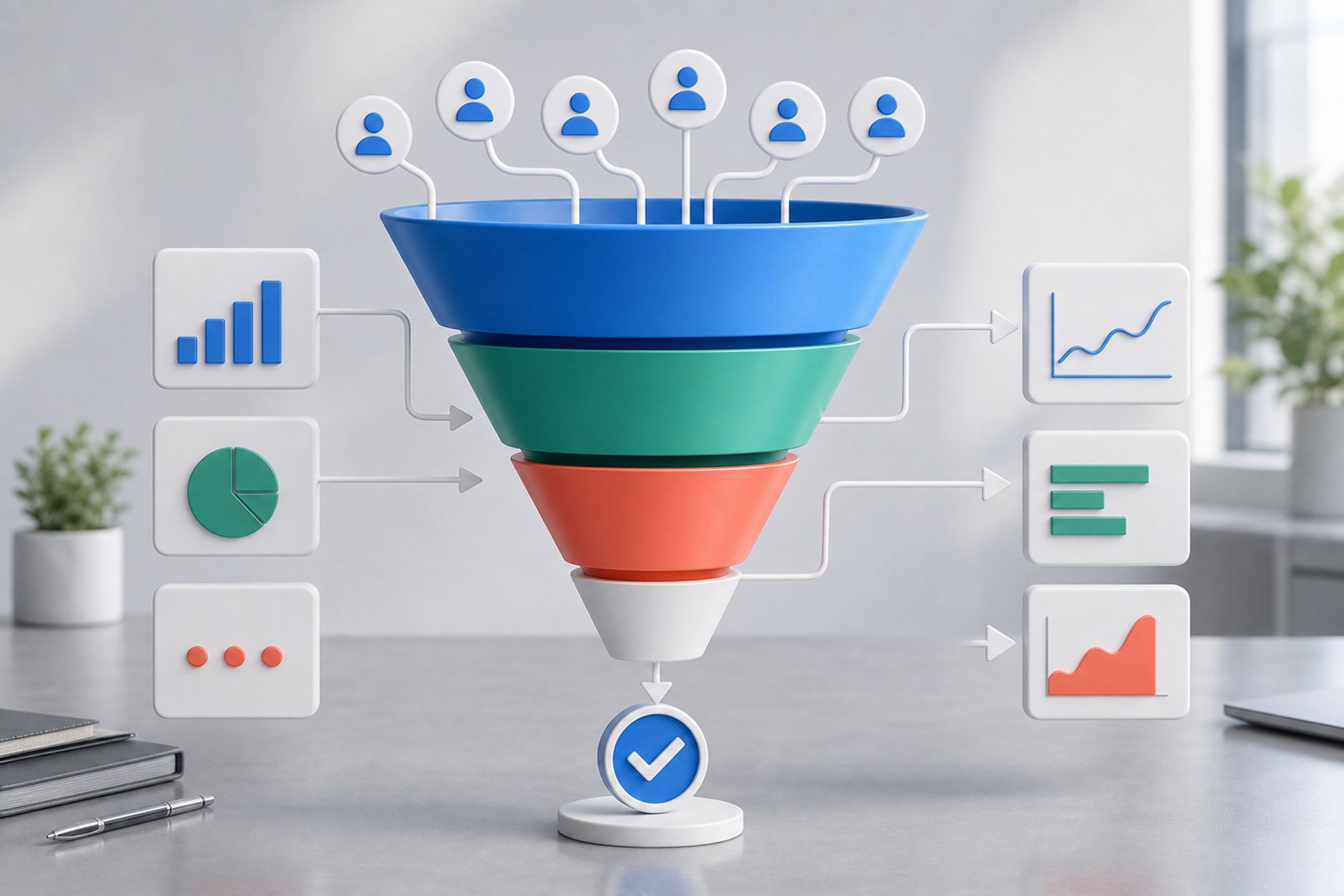
Colorful funnel chart with user icons and analytics graphs, showing a marketing conversion funnel.
By G4 Editorial Team August 11, 2026
A privacy-aware framework for turning more dealership website visits into trackable leads with relevant offers, consent, CRM routing, and measurement.

By G4 Media Editorial Team August 4, 2026
Learn how dealerships can improve visibility in AI-generated search answers with useful local content, technical SEO, evidence, links, and measurement.