

The Press Box / San Francisco Bay Area / November 2026
Help shoppers compare three powertrains against the places they park and the trips they actually take.
A Bay Area shopper likes two vehicles on your lot. One plugs in. The other carries a hybrid badge. A third salesperson mentions a plug-in hybrid. Now the buyer has three labels and no clear way to decide. Start the conversation with where the car spends the night and what a normal week of driving looks like.
G4 Media can help Bay Area dealers turn that uncertainty into a useful shopping journey. We recommend combining local question research, clear inventory content and a response path that carries the buyer’s parking and driving needs into a prepared powertrain comparison.
Why the comparison belongs on a Bay Area lot
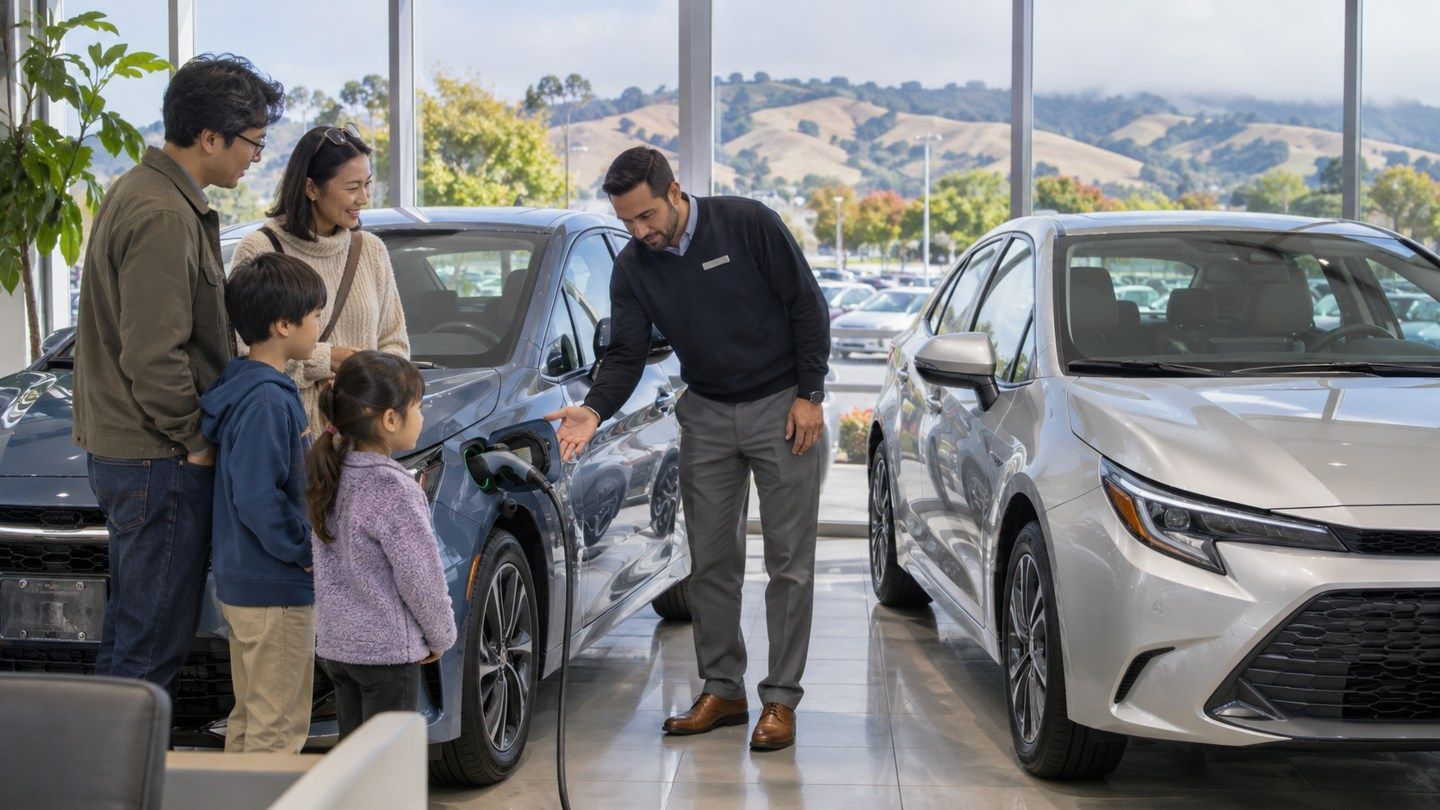
The Metropolitan Transportation Commission’s regional snapshot puts the Bay Area’s zero-emission share at 35% of new light-duty sales in 2024. More recently, the California New Car Dealers Association reported that conventional hybrids accounted for 22.8% of statewide new registrations through September 2026. The years, geographies and categories differ. Together they explain why a Bay Area store should be ready for questions about several powertrains.
A buyer with a dedicated driveway in Fremont faces a different charging decision from a renter who parks on an Oakland street. Ask what charging access the household can count on and how often it takes a longer trip. Capture the answers before choosing which stock numbers to show.
Put three real vehicles on one comparison page
Describe a conventional hybrid as a vehicle that uses gasoline and recovers energy without external charging. A plug-in hybrid can use externally charged electricity and also use gasoline. A battery-electric vehicle runs on electricity and needs charging. Then compare three actual vehicles on seating, price, verified efficiency and the charging equipment each one supports.
When discussing running costs, use the buyer’s own mileage and local energy prices. Write the inputs beside the result. If workplace charging is occasional, run a second example without it. A dealer who shows how the math changes gives the customer something more durable than a blanket savings claim.
Build a test drive around the remaining doubt
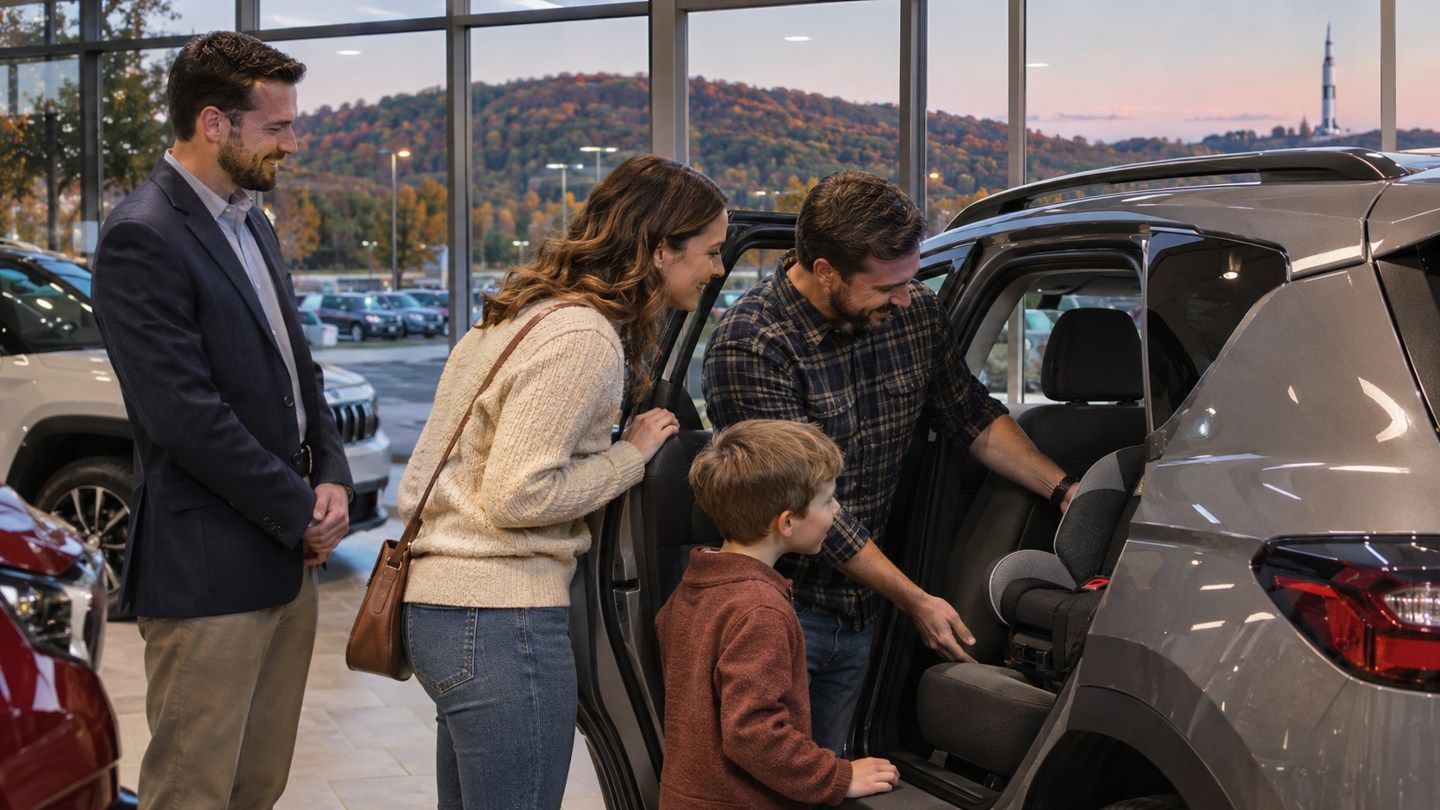
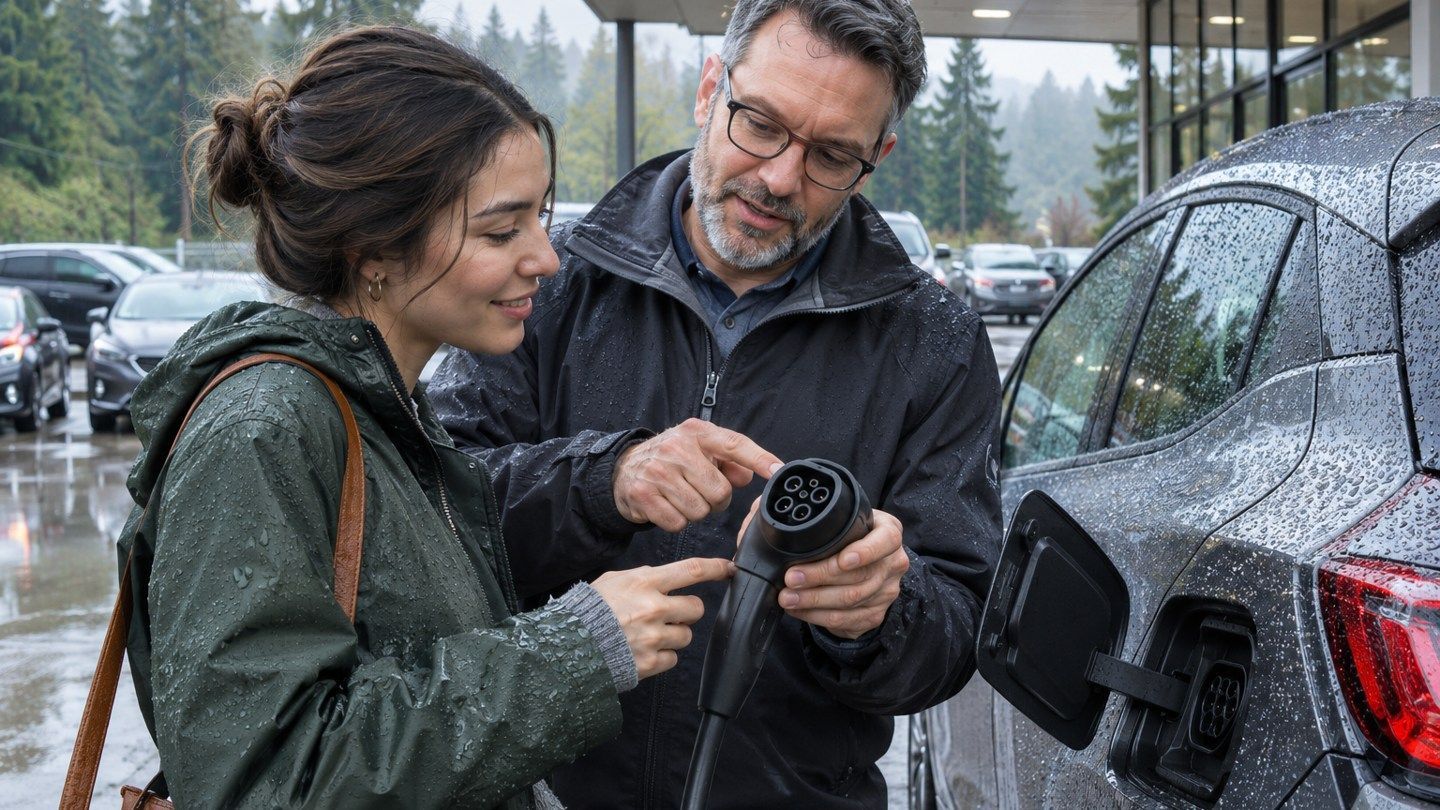
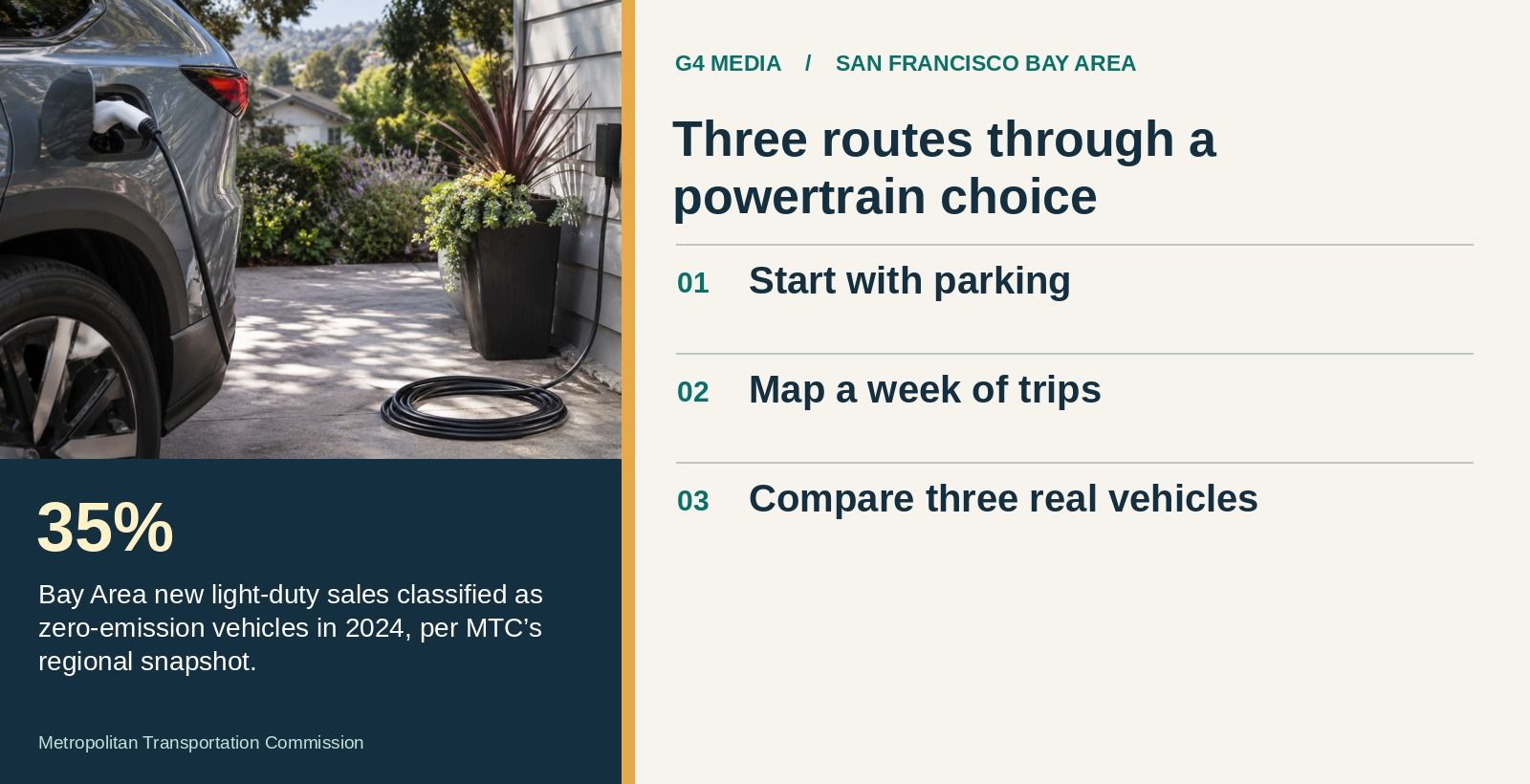
Ask what would settle the decision. For one customer it may be seeing the cable and charge port. Another may want to sit the family in all three cars. Put the demonstration and the requested vehicles in the appointment note. Have someone check equipment and availability before confirming the time.
After the visit, give the buyer one short comparison with the assumptions intact. Track whether shoppers who used the page arrived with a shortlist and whether your staff could demonstrate every promised item. Record the unanswered questions for the next revision.
How G4 makes the comparison easier to discover
The dealership’s expertise is the raw material. G4 can work with your sales and service specialists to identify the questions that repeatedly slow an electrified-vehicle purchase. For this Bay Area program, a useful content brief would cover charging access, recurring trips and the differences between three available vehicles. Your specialists verify the technical facts and any ownership-cost assumptions.
G4’s AI visibility and discovery approach can support the organization of that information into helpful pages. We recommend a durable comparison guide linked to current inventory, with vehicle-specific facts kept on the relevant listings. That lets a shopper learn how the powertrains differ, then see the actual cars your store can demonstrate. Website coordination should address readable tables, working links and a clear route to an appointment.
How G4 carries the buyer’s uncertainty into the showroom
The proposed inquiry should ask which comparison the shopper wants and what question remains unresolved. A person with uncertain overnight charging needs a different demonstration from someone comparing rear-seat space. G4 can help develop that message and follow-up plan, while the sales team chooses and confirms the exact vehicles.
Evaluate the campaign with both content and dealership evidence. Record which guide or ad led to the inquiry, whether the requested comparison happened and what prevented a decision. G4 can use those patterns to recommend a more useful explanation or a different campaign emphasis. The dealership retains responsibility for technical advice and current offers, and the marketing becomes more closely aligned with the decisions buyers actually face.
Frequently asked questions
How can G4 help shoppers choose among three powertrains?
G4 can organize the dealership’s verified knowledge into comparison content, relevant campaign messages and a clear appointment request. The dealer supplies the vehicle facts and confirms the demonstration. Begin with one question, such as dependable charging access, and three suitable vehicles. That creates a focused program whose usefulness can be judged from shopper feedback.
How detailed should an ownership-cost comparison be?
State the annual distance, assumed fuel or electricity price, vehicle efficiency and the period being compared. Explain which costs are included and have the appropriate specialist verify the calculation. A buyer relying on public charging may need different inputs from one charging at home. G4 can help present the assumptions in plain language.
How do we write useful content for apartment residents?
Discuss the charging arrangements the shopper can reliably access, including parking location, schedule and the effort required to use an alternative charger. Ask about those conditions during follow-up. Avoid assuming that a nearby charging station solves every household’s needs. G4 can build locally relevant questions into the guide and campaign response.
Should our advertising favor whichever powertrain is growing fastest?
Use growth figures as a starting point, then consider your own inventory, customer questions, pricing and demonstrated sales opportunities. A regional or statewide share cannot determine the right allocation for one rooftop. G4 can help test a specific message and review qualified inquiries and appointments before recommending a larger change in spend.
How do we keep the comparison accurate as inventory changes?
Assign separate owners for general educational content and live vehicle facts. Update listings when prices, availability or included equipment change, and review links from the guide. G4 can coordinate campaign and content changes with those owners. Any claimed technical capability or savings estimate should remain traceable to a current approved source.
What should a successful comparison appointment accomplish?
The buyer should see the promised vehicles, understand the important trade-offs and leave with a clear next step. Record which question was answered and which remains open. G4 can use that information to improve the content and targeting, while your team follows through on the buyer’s actual concern instead of repeating a generic sales pitch.