

The Penalty Box / Washington, D.C. metro / November 2026
A Washington-area dealer group can lose a ready buyer when its website, keys and appointment calendar point to different stores.
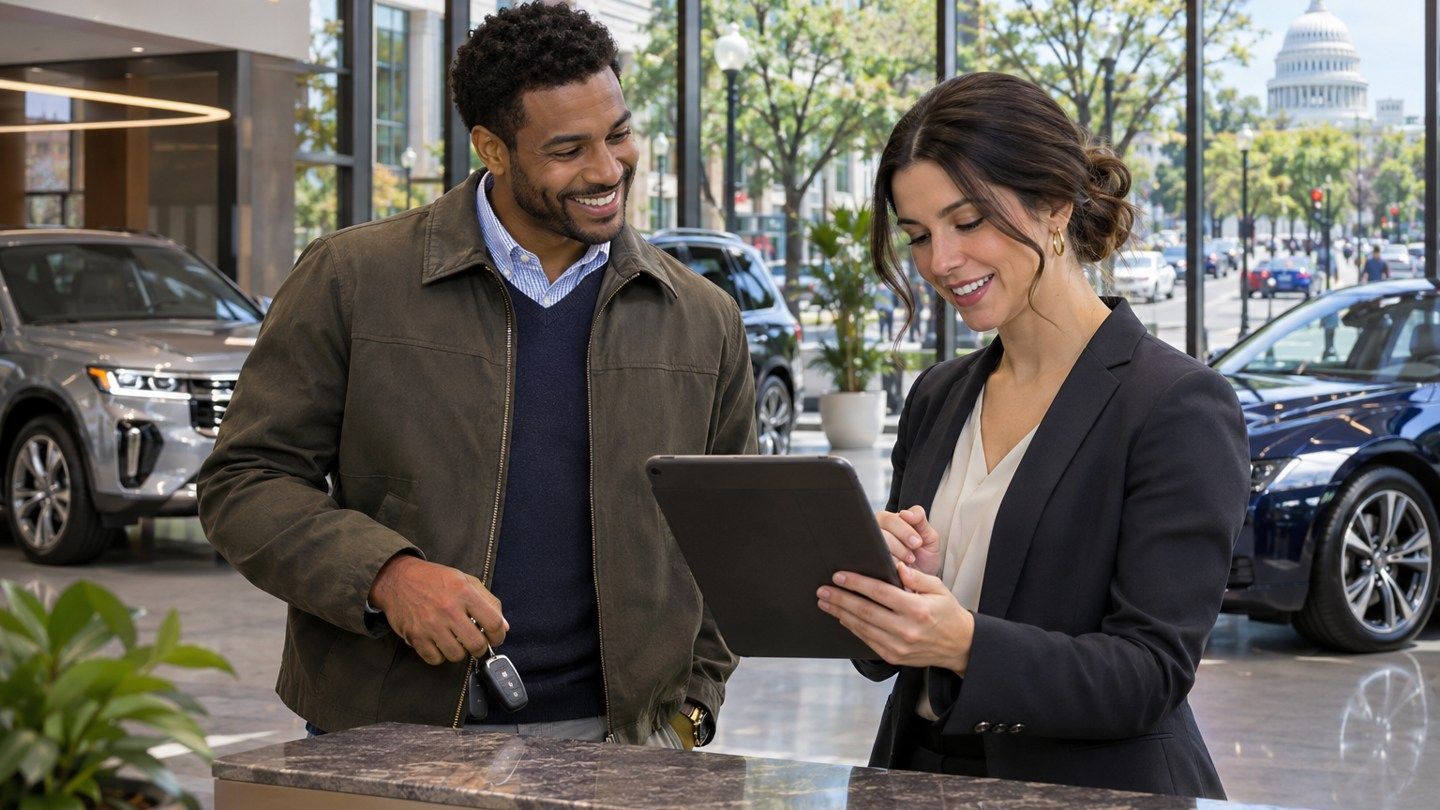
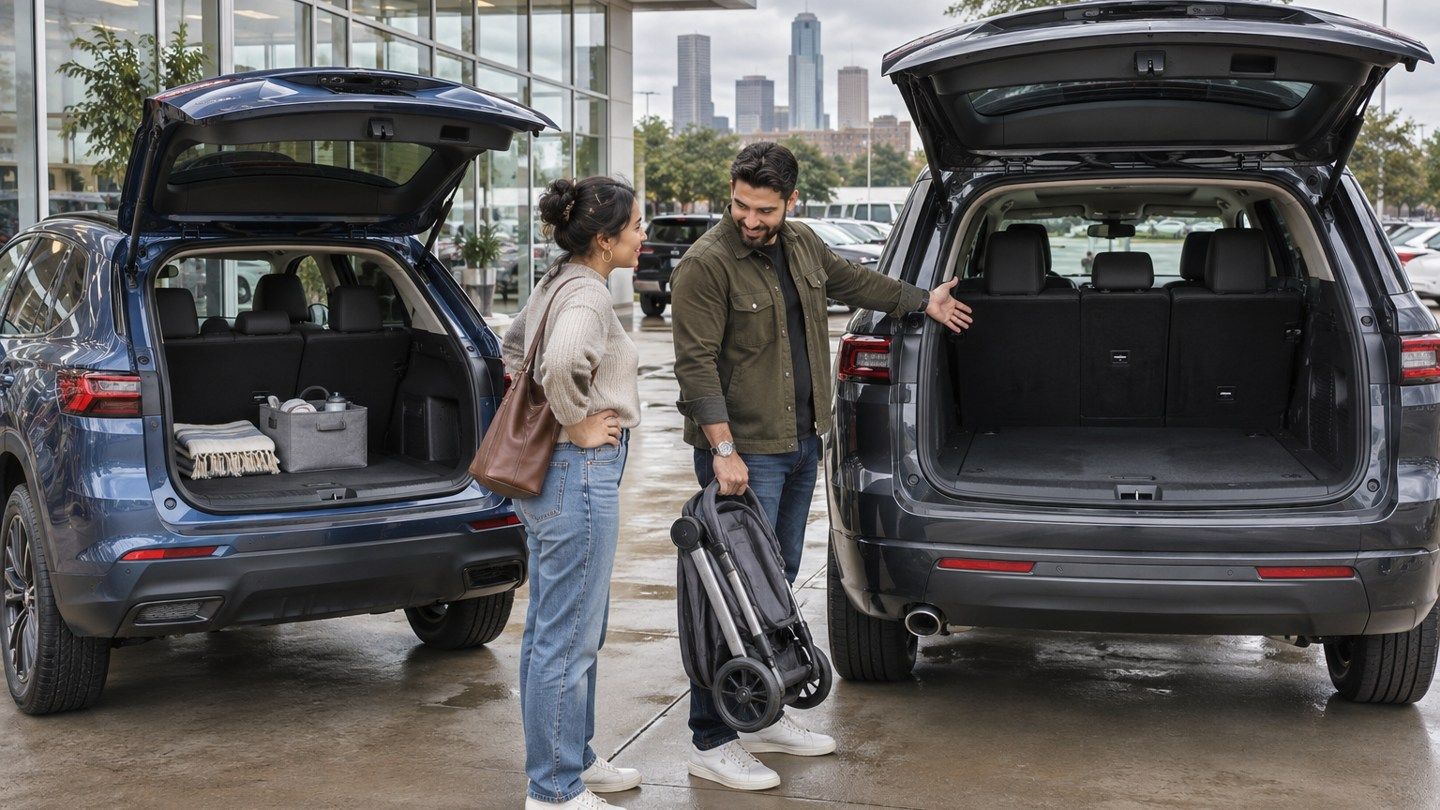
Imagine a shopper who crosses the Potomac for a confirmed test drive. The advisor has her name, appointment time and make and model. The car, however, is at the Maryland branch. This fictional Penalty Box example starts with a single preventable mistake. The group confirmed a time without confirming custody of the vehicle.
G4 Media can help a dealer group recover from this misstep by tracing the customer’s path from ad to appointment and identifying where the branch information diverged. The recovery plan brings campaign messaging, lead routing and store confirmation into agreement, with named owners for the physical vehicle and the customer response.
Where a regional website loses the vehicle
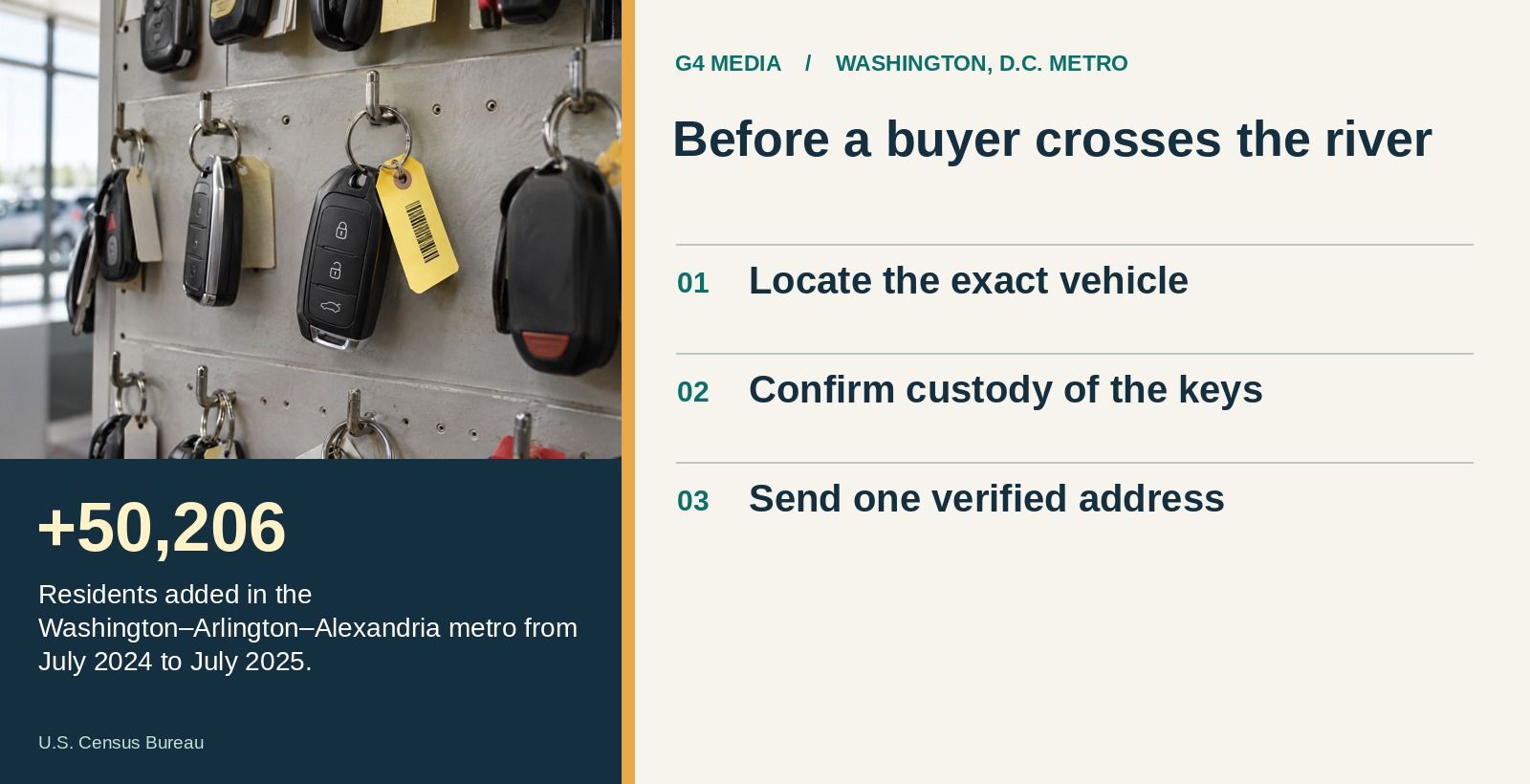
The Metropolitan Washington Council of Governments spans jurisdictions in the District, Maryland and Virginia. A multi-store group can plausibly serve customers across all three. The metro added 50,206 residents in a year, giving groups a reason to improve the booking experience as their potential audience grows. A regional address on an ad is still too vague for a particular test drive.
In this example, a group-level listing inherited the main showroom’s phone number. A call-center agent chose the nearest open calendar slot. The overnight inventory file correctly showed the stocking branch, but nobody checked whether the keys were there or whether the car could be transferred. Each system held one part of the answer.
Put one person in charge of the handoff
Give every vehicle record a shopper-visible location and a separate field for a proposed transfer. Until someone at the receiving branch confirms physical arrival, keep the original location visible. A buyer can then choose between visiting the stocking store and waiting for a confirmed transfer.
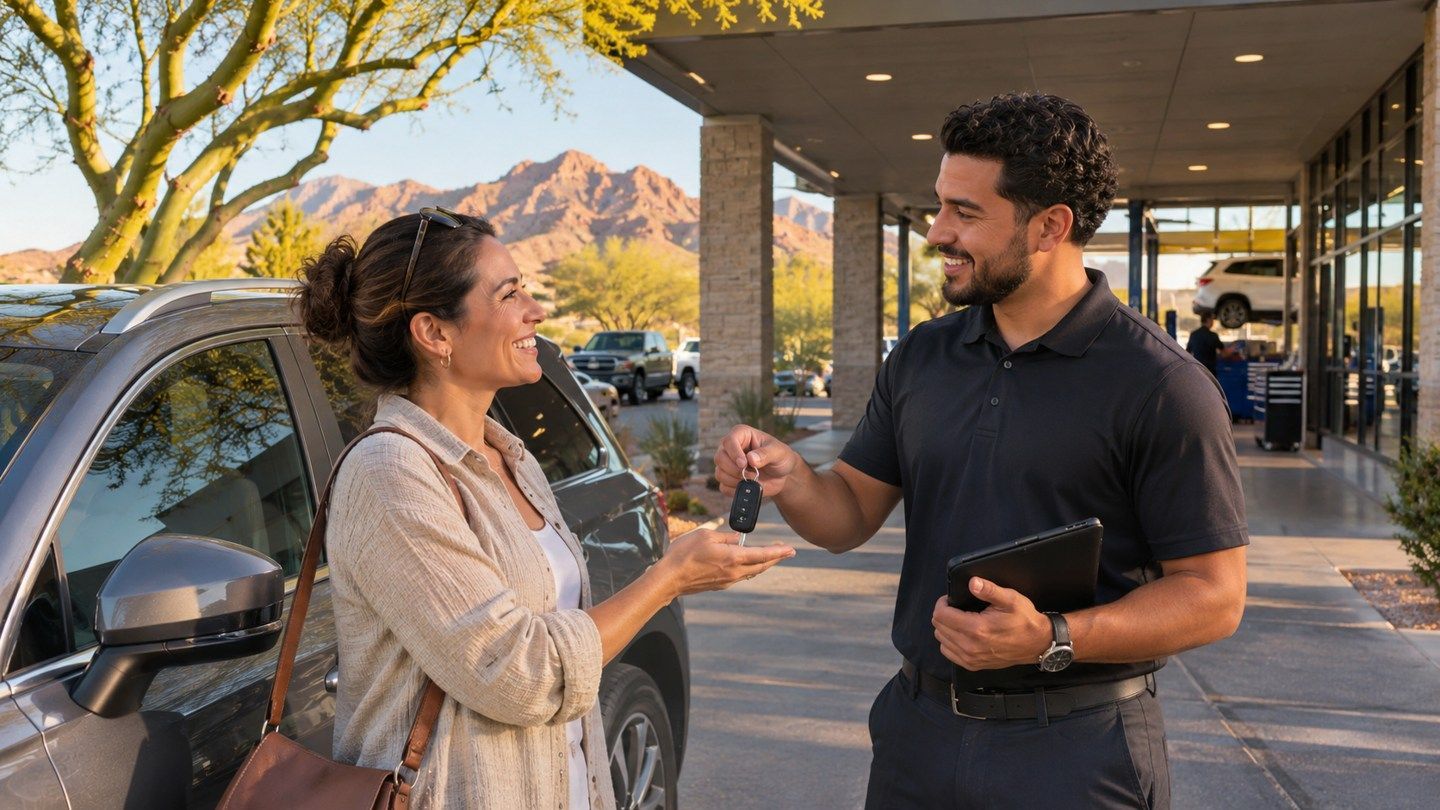
Have the employee with access to the keys confirm the stock number, time and street address. Send the shopper the same address, branch phone number and map link. Name the person who will meet them. If the car moves again, contact the shopper directly and obtain agreement on the changed plan.
Count the failure a full showroom can hide
Audit appointments where the buyer arrived but never saw the requested vehicle. Give wrong branch, uncompleted transfer and unavailable keys separate reason codes. A report that counts all three as showroom traffic can make the group look busy while hiding its most fixable mistakes.
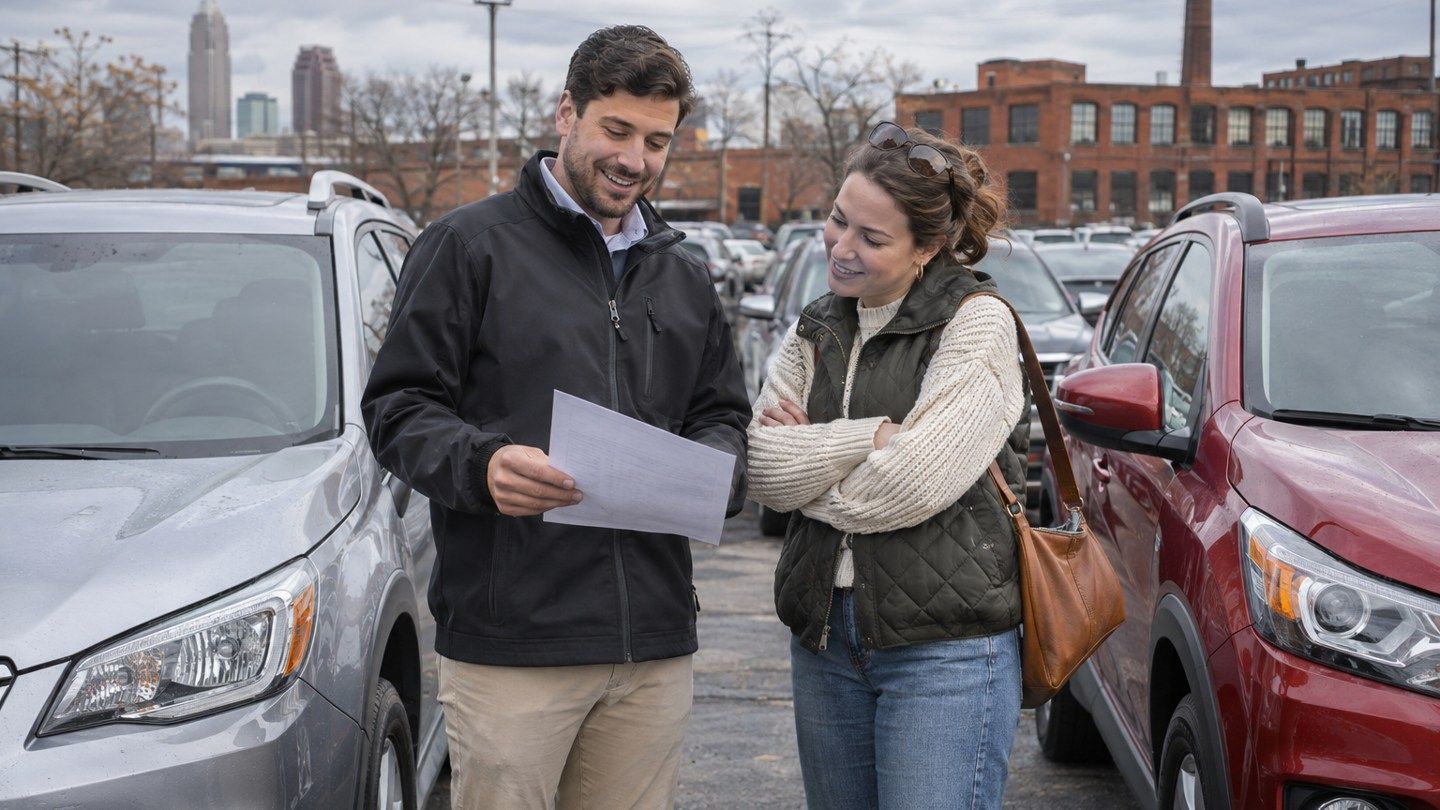
If a shopper reaches the wrong store, offer a choice. The manager can arrange a confirmed transfer, a new appointment at the correct location or another available vehicle the shopper wants to see. Record which resolution the customer accepted. Use the next week’s audit to see whether the original handoff actually changed.
How G4 helps stop the next wrong-store appointment
In this fictional scenario, the first step would be to identify affected ads, listings, landing pages and pending appointments. G4 can help audit the marketing and response path with the group’s website, feed and CRM contacts. For each affected unit, compare the location shown to the shopper with the location passed into the inquiry and the branch receiving it. That review produces a specific correction list and assigns an owner to each change.
The group should temporarily pause invitations that promise an unavailable location while its staff confirms the actual vehicle and keys. G4 can revise the affected campaign wording and destination links within its agreed scope. The dealership’s stock and transfer owners verify physical arrival, and the CRM or booking provider handles any required routing changes. A transfer request should remain visibly pending until the receiving store confirms it.
How G4 helps rebuild the customer’s confidence
G4 can help prepare a recovery message that acknowledges the inconvenience, states the car’s verified location and offers a choice the group can honor. A manager then contacts affected customers and records their preference. If remote BDC support forms part of the engagement, define who handles those calls and when a store manager must take over. Any transport, reimbursement or alternative vehicle offer requires the dealership’s own commitment.
Before restarting the affected campaign, run a test inquiry for each branch involved and follow it through to confirmation. Then review wrong-store arrivals, uncompleted transfers and vehicle-ready appointments. G4 can help connect that feedback to campaign adjustments, so the group can see whether the correction works after launch. Recovering trust depends on fulfilling the revised promise as well as sending a clearer message.
Frequently asked questions
What should G4 and the dealer group check first after this error?
Compare the ad, listing, inquiry record and confirmation for the affected stock number. Identify which location each system showed and who last verified the vehicle. G4 can help trace the marketing path, while the store checks physical custody. Use the findings to correct pending appointments immediately and assign responsibility for the underlying mismatch.
Can G4 fix branch routing automatically through OfferIQ?
OfferIQ supports CRM lead delivery, but the group’s branch and inventory routing must be examined separately. Confirm which fields and integrations are available before promising an automated fix. G4 can help define the required handoff and work with your providers, while the dealership establishes who confirms the actual vehicle location and appointment.
How should we contact a shopper who already reached the wrong store?
Have a responsible manager explain the error and offer specific, verified choices. Confirm the vehicle’s location before proposing a new visit or transfer, and record what the customer accepts. G4 can help prepare consistent recovery wording and follow-up, but the store must authorize and fulfill any operational or financial remedy it offers.
Should group inventory disappear from the website until transfers are reliable?
Keep shoppers informed about the actual stocking branch and explain any transfer process clearly. Pause affected promises when the location cannot be verified. G4 can review the campaign language and links with your website team. The appropriate correction depends on whether the error lies in the listing, lead routing, calendar or physical transfer.
What test should we run before relaunching the campaign?
Submit an inquiry for a known vehicle at each affected branch and inspect the resulting lead, assigned recipient and customer confirmation. Verify that all show the correct stock number and address. Ask the receiving employee to confirm the keys and car. G4 can help coordinate the marketing portion of that test with the system owners.
Which results show that the recovery worked?
Track appointments with the promised vehicle ready at the confirmed branch, wrong-store arrivals and transfers completed before the visit. Include outcomes for affected customers who were contacted again. G4 can review these alongside campaign activity. A higher lead count alone cannot establish that the routing and confirmation problem has been resolved.